Watch the video



We leverage natural gas and biomethane feedstocks...

...which go through an energy efficient, low-temperature process...

...producing clean hydrogen fuels for carbon neutral power systems—anytime, anywhere...
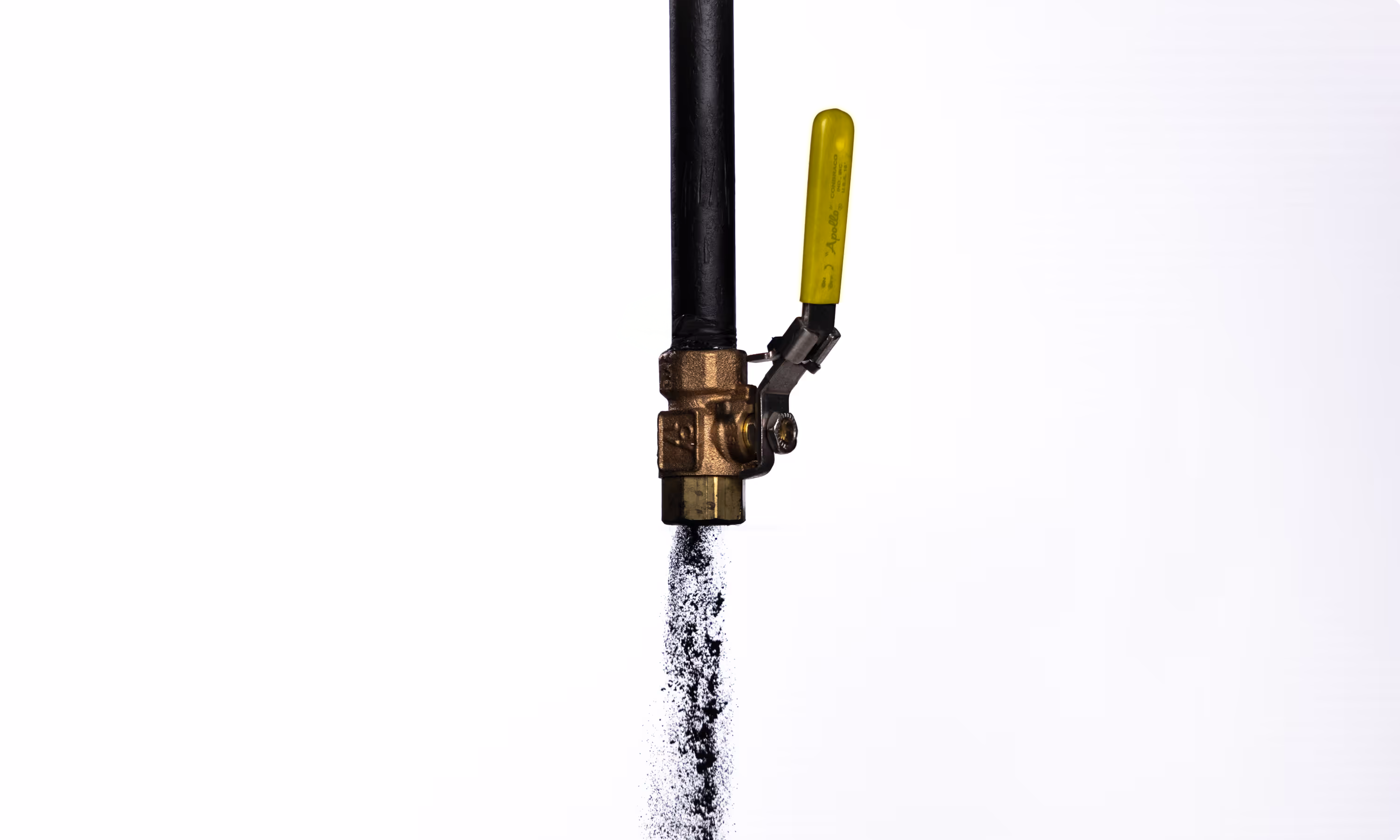
...with solid graphite coproduced from sequestered carbon in the process.
Pact is deploying sustainable energy systems with select hyperscale partners. Interested in learning more? Let's talk.

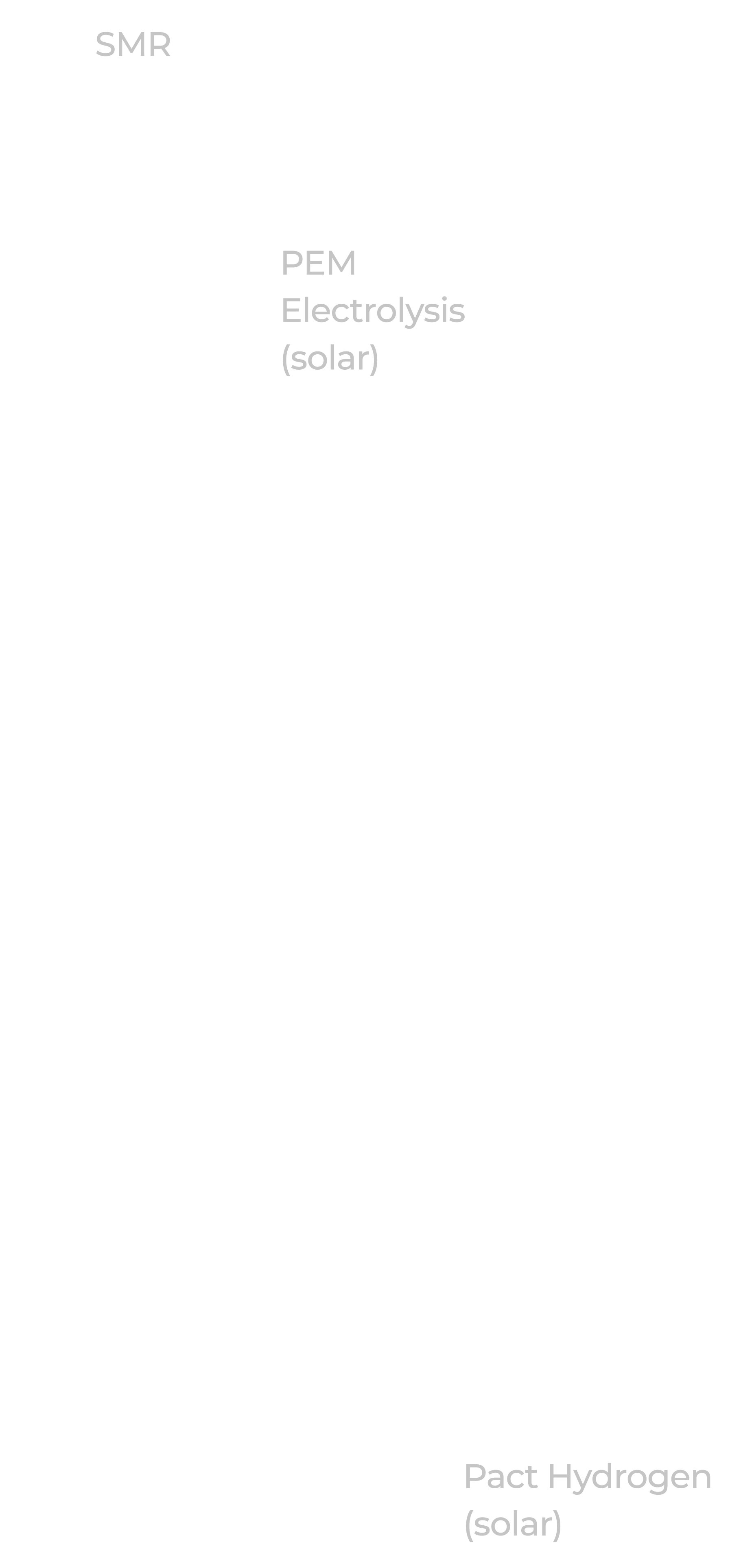
Pact Hydrogen achieves dramatically lower carbon intensity than both conventional SMR and renewable electrolysis. The hydrogen can be deeply carbon-negative when the GHG impact of displaced materials is factored in, as per DOE and GREET guidance.
By coproducing large volumes of graphite, Pact drives down the cost of hydrogen to a point that can match grid power. At the same time, it helps secure a domestic supply of critical materials used in batteries, electrodes and heavy industry.
Net GHG Emissions of Hydrogen
(kg CO2e/kg H2)
Net CI calculation is displacement based, calculated with offsets from synthetic graphite coproducts (-19.2 kg CO2e/kg H2) per DOE & GREET guidance for treatment of methane pyrolysis coproducts. Attributional CI without coproduct offsets is 0.31 kg CO2e/kg H2 (mass-based allocation to coproducts). Assumes solar power, US average natural gas feedstock. Pact H2 Attributional CI estimate and PEM electrolysis CI include Scope 1, 2 and 3 emissions.
Today, the majority of synthetic graphite is imported, primarily from China. Pact changes that with a lower-cost, higher-purity domestic alternative that creates American jobs and eliminates supply chain risk.
Pact is building a vast materials platform backed by a robust patent portfolio of solid carbon synthesis and functionalization technologies for energy storage, water treatment, building materials and much more.